The Physics of Peace: How They Actually Spin
I'm not a scientist, but after watching these things for years, I've learned a thing or two about how they turn a breeze into art.
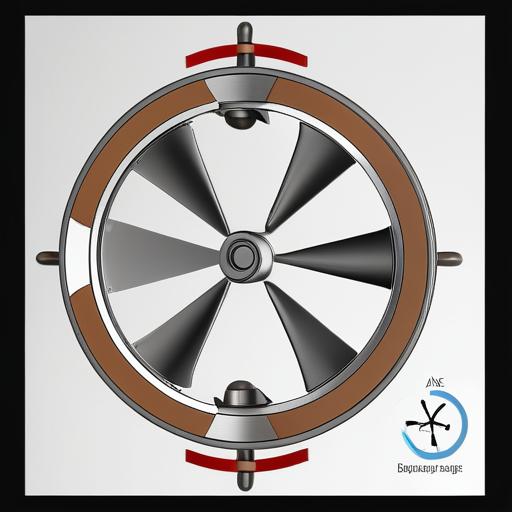
How That Breeze Becomes Motion
It's all about surface area and angles. Think of a wind spinner like a tiny windmill. The blades are designed to catch the air at an angle. As the wind pushes against them, it creates a force that has nowhere to go but... around! The more "cupped" the blades are, the easier it is for them to start spinning in a light breeze.

Sam's Gear Head Tip:
If your spinner stops moving, 99% of the time it's the bearing. I only buy spinners with sealed ball bearings. They keep the rust out and the spin smooth as butter.
My Take on Dual-Axis Motion
Single-Axis: The Classic
This is what most people start with. The whole head spins one way. It's reliable and looks great in a steady breeze.
Dual-Axis: The Hypnotist
This is where it gets fun. Two sets of blades spinning in opposite directions. It creates an optical illusion that I can literally watch for hours.
Wind Sensitivity: Start Early
I live in an area with pretty light winds, so I always look for "wind-sensitive" models. These are light enough to start moving at about 3mph—basically a gentle whisper of a breeze. If you live on a windy hill, you'll want the "heavy-duty" steel ones that won't warp when it really starts blowing.